
What Is Addiction Treatment?
Addiction is habitual, psychological or physiologic dependence on a substance or practice that is beyond voluntary control. It represents a complex brain disorder characterized by compulsive engagement in rewarding stimuli despite adverse consequences.
Addiction affects millions of people worldwide and can have devastating consequences on physical health, mental well-being, relationships, and overall quality of life. Understanding addiction as a medical condition rather than a moral failing is crucial for effective treatment and recovery.
Common Types of Addiction Treatment Disorders
Prescribed Drugs
Addiction to prescription medications including opioids, benzodiazepines, and stimulants prescribed for medical conditions.
Alcohol
Chronic alcohol addiction affecting physical health, mental well-being, and social relationships.
Marijuana
Cannabis dependence that can impact motivation, memory, and daily functioning.
Heroin
Highly addictive opioid with severe physical dependence and life-threatening withdrawal symptoms.
Stimulants
Addiction to substances like cocaine, methamphetamine, and amphetamines that increase energy and alertness.
Nicotine
Tobacco and nicotine addiction causing serious health consequences including cardiovascular disease.
Inhalants
Abuse of household chemicals and solvents that can cause immediate organ damage.
Hallucinogens
Substances like LSD and psilocybin that alter perception and can cause lasting psychological effects.
Recognizing the Symptoms
Addiction can manifest through various behavioral signs and long-term physical consequences:
Behavioral Warning Signs
- Compulsive use despite negative consequences
- Inability to control or stop use
- Withdrawal symptoms when not using
- Tolerance requiring more of the substance
- Neglecting personal or professional responsibilities
Physical Consequences
- Weakened immune system and susceptibility to infections
- Cardiovascular issues including increased risk of stroke
- Liver damage or failure from prolonged use
- Chronic nausea and abdominal pain
- Hormone imbalances and memory loss
Treating Addiction Treatment at SavantCare
Recovery from addiction often requires a comprehensive approach tailored to the individual:
Therapy and Medication
Combining evidence-based therapy approaches like CBT with medication-assisted treatment (MAT) when appropriate.
Outpatient Programs
Flexible treatment options, including Intensive Outpatient Programs (IOP) and support groups, allowing individuals to maintain daily responsibilities.
Hospitalization & Detox
Inpatient treatment providing 24/7 medical supervision and detoxification for severe addiction cases.
Your Care Team
Our board-certified psychiatrists specialize in treating psychotic disorders with compassion and expertise.

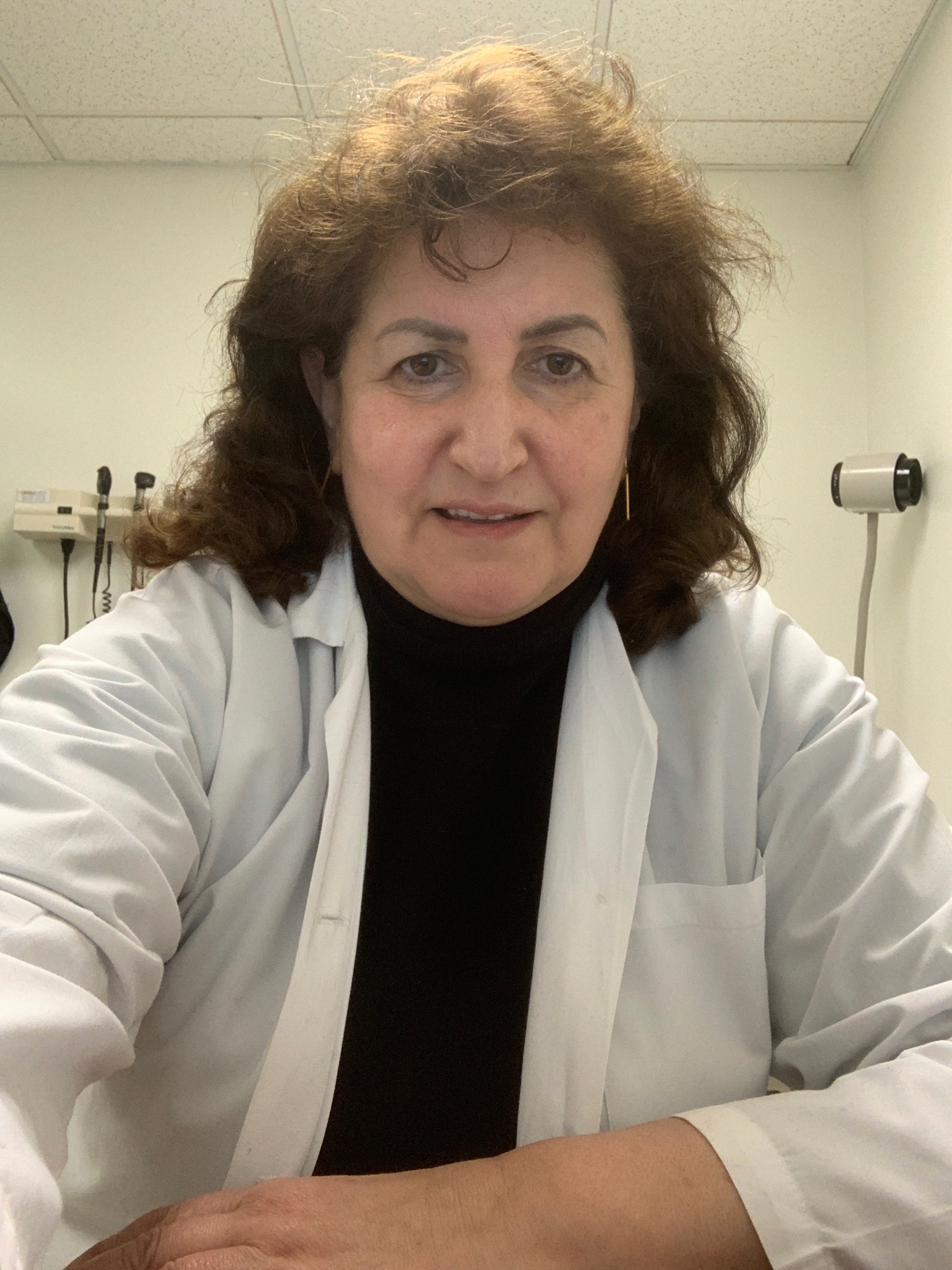

Dr. Bernice Ponce de Leon
DO, Board-Certified Child & Adolescent Psychiatrist | Licensed in CA, NV
View profileFrequently Asked Questions
Signs include compulsive use despite negative consequences, inability to control or stop use, withdrawal symptoms when not using, tolerance requiring more of the substance, neglecting responsibilities, and continued use despite health problems.
Treatment duration varies based on individual needs, type of addiction, and severity. Most programs range from 30-90 days for initial treatment, with ongoing support and therapy continuing for months or years to maintain recovery.
Many insurance plans cover addiction treatment due to mental health parity laws. Coverage varies by plan, but may include detox, inpatient and outpatient treatment, counseling, and medication-assisted treatment.
Yes, medication-assisted treatment (MAT) is effective for many types of addiction. Medications can help manage withdrawal symptoms, reduce cravings, and prevent relapse. Common examples include methadone and buprenorphine for opioid addiction, and naltrexone for alcohol addiction.
Yes, family support is crucial in addiction recovery. Programs like Al-Anon, Nar-Anon, and family therapy sessions help families understand addiction, develop healthy coping strategies, set boundaries, and provide effective support.
Success rates vary by addiction type and treatment approach, but many people achieve sustained recovery through comprehensive treatment programs. Success is often measured by improved quality of life and reduced substance use. The key factors include program completion, ongoing support, and individualized treatment plans.