

What Is Depression?
Depression is a highly treatable medical condition, not a personal weakness.
— Savant Care Team
Depression is one of the common mental disorders that can disrupt your life. It is a mental health disorder characterized by a persistently low mood, often accompanied by an inability to feel pleasure.
According to the Centers for Disease Control and Prevention, 7.06% of the US adult population from 2009 to 2012 suffered from depression. If feelings persist over 2 weeks, it may be clinical depression, which can affect eating, sleeping, working, and relationships.
What Causes Depression?
Factors that cause depression and risk factors that increase susceptibility
Biological & Genetic
- Imbalance of neurotransmitters in the brain
- Physical changes in the brain
- Genetics and family history
Medical & Environmental
- Other medical conditions (diabetes, heart disease, chronic pain)
- Highly stressful events and hormonal changes
- Substance use or illicit drugs
Recognizing the Symptoms
Recognizing the signs across different age groups is the first step toward getting help.
Emotional & Cognitive Changes
- Persistent sadness, hopelessness, or empty feelings
- Loss of interest in activities you once loved
- Feelings of guilt, worthlessness, or failure
- Difficulty concentrating or making decisions
- Thoughts of death or suicide (Requires immediate help)
Physical & Behavioral Changes
- Unexplained weight changes and sleep disturbances
- Persistent fatigue and decreased energy
- Feeling restless or unusually slowed down
- Unexplained aches and pains
Common Types of Depression Disorders
Major Depression
Interferes with capacity to sleep, work, eat, or enjoy life; episodes last weeks to months.
Persistent Depressive Disorder
Chronic depression with symptoms less severe but lasting up to two years or more.
Psychotic Depression
Severe major depression accompanied by psychosis (loss of contact with reality).
Perinatal Depression
More intense than "baby blues," persists after childbirth and interferes with daily tasks.
Seasonal Affective Disorder (SAD)
Experiencing depressive symptoms primarily during the winter seasons.
Atypical Depression
Involves increased fatigue, sleepiness, weight gain, and increased appetite.
Premenstrual Dysphoric Disorder (PMDD)
Severe form of PMS occurring before the onset of the menstrual period.
Treating Depression at SavantCare
Symptom management typically consists of a combination of support, therapy, and medical interventions.
Psychotherapy
Also referred to as talking therapy, includes cognitive behavioral therapy (CBT) and counseling.
Antidepressants
A standard drug treatment option to balance neurotransmitters.
TMS Therapy
Transcranial magnetic stimulation (TMS) is a noninvasive procedure for treatment-resistant depression.
Support Network
Educating family members and talking about real-world solutions.
Your Care Team
Our board-certified psychiatrists specialize in treating psychotic disorders with compassion and expertise.

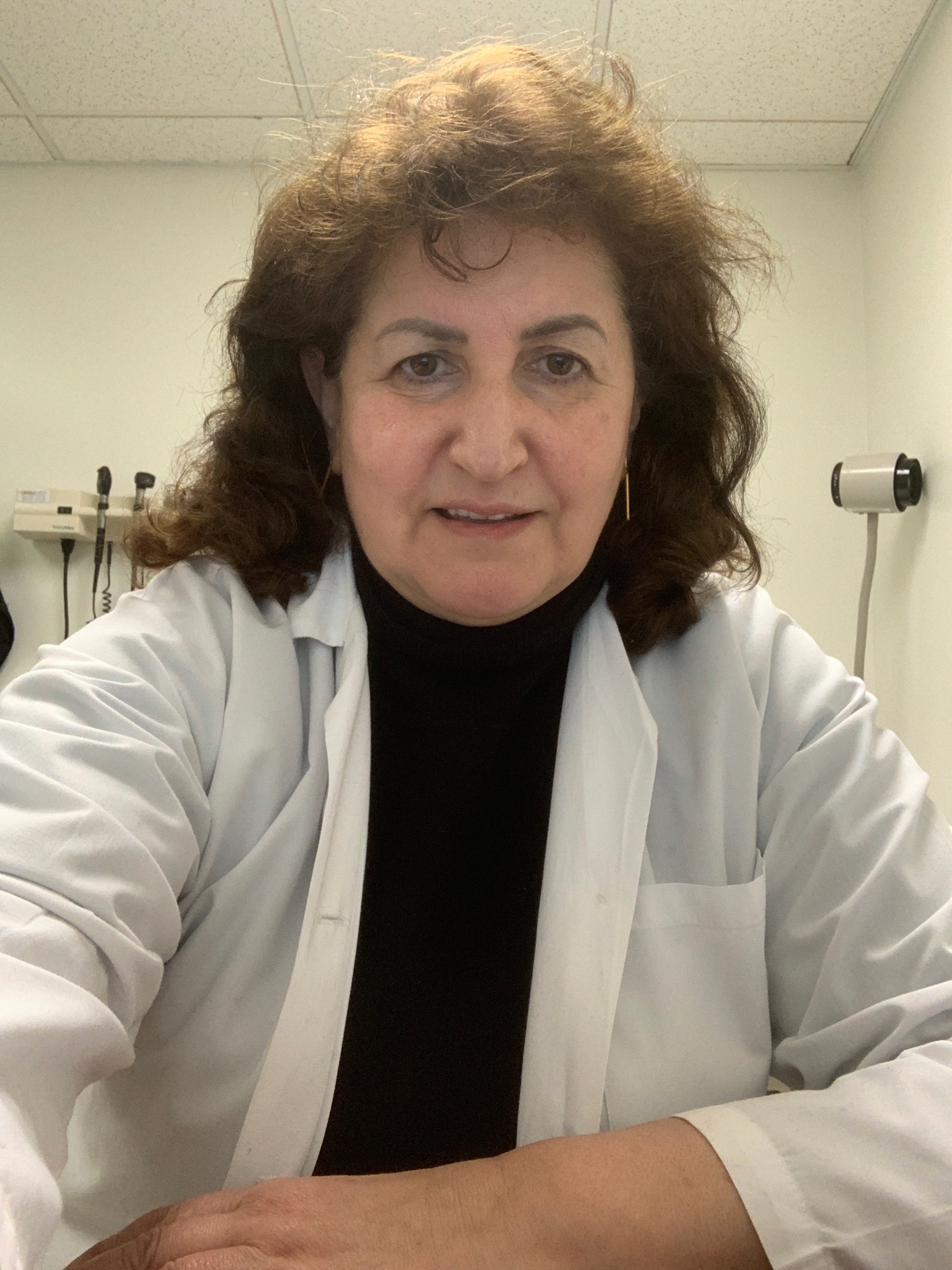

Dr. Bernice Ponce de Leon
DO, Board-Certified Child & Adolescent Psychiatrist | Licensed in CA, NV
View profileWhen Should You Seek Help?
If you're experiencing symptoms of a depressive disorder on most days, speak up to your doctor. If you're hesitant to get help, talk to a friend, family member, or someone you trust.
Reach out if you or a loved one experience:
- Experience symptoms on most days
- Symptoms interfere with work, school, or relationships
- Thoughts of death or suicide (Call 988 immediately)
- Not having effective coping mechanisms
- Symptoms don't improve after two weeks
Ready to take the next step?
Our team is here to help — no pressure, no judgment.
Frequently Asked Questions
While some mild, situational depressive feelings can lessen over time with lifestyle changes, clinical depression typically requires professional treatment. Severe depression rarely goes away without intervention. Reaching out for professional help is the most effective way to start feeling better rather than waiting.
Yes, fatigue and decreased energy are common symptoms of depression. Many people with depression experience persistent tiredness that doesn't improve with rest. Depression affects both energy levels and sleep patterns, creating a cycle of exhaustion and rest difficulties.
Depression can affect cognitive function, including memory and concentration. This is particularly noticeable in older adults where memory issues or character changes may be symptoms of depression. Depression affects brain function, impacting memory, concentration, and decision-making abilities.
No, depression is not a choice. It's a legitimate medical condition caused by various factors including brain chemistry, genetics, medical conditions, and life circumstances. Depression is a medical condition with biological, genetic, and environmental causes - not a personal choice or weakness.