

What Is Panic Disorder?
Panic disorder is an anxiety disorder characterized by sudden, recurring episodes of intense fear or panic. These panic attacks often come without warning and can cause severe physical and emotional distress.
Understanding panic disorder is crucial for both patients and their families. The condition affects millions of people and can significantly impact daily life if left untreated.
Many people experience just one panic attack in their lives, but recurrent attacks—and the persistent fear of having another one—are the hallmark of panic disorder.
Recognizing the Symptoms
People suffering from panic disorder may experience a variety of sudden physical and emotional symptoms during an attack:
Physical Symptoms
- Racing or pounding heart and difficulty breathing
- Shaking, sweating, chills, or hot flashes
- Chest pain, stomach pain, or feeling of choking
- Dizziness, weakness, or fatigue
- Numbness or tingling sensations
Emotional & Behavioral Symptoms
- Overwhelming anxiety of an impending panic attack
- Feeling a sudden loss of control
- Feelings of derealization (unreality) or depersonalization (detachment)
- Avoiding places or situations that trigger panic attacks
What Causes Panic Disorder?
While the exact triggers remain complex, several factors increase the likelihood of developing panic disorder:
Genetics
- Panic disorder is known to run in families, suggesting a strong genetic component.
Demographics & Onset
- Onset commonly occurs from late adolescence to early adulthood, and it is more frequently diagnosed in women.
Treating Panic Disorder at SavantCare
Treatment often involves a combination of psychotherapy and medication to help individuals understand and manage their symptoms.
Cognitive Behavioral Therapy (CBT)
CBT is especially useful, teaching different ways of thinking, behaving, and reacting to situations to reduce fear and anxiety.
Anti-Anxiety Medications
Can suppress panic attacks when they happen, though generally used for short periods.
Antidepressants
Often safe and effective for long-term management, preventing attacks from occurring and lowering baseline anxiety.
Your Care Team
Our board-certified psychiatrists specialize in treating psychotic disorders with compassion and expertise.

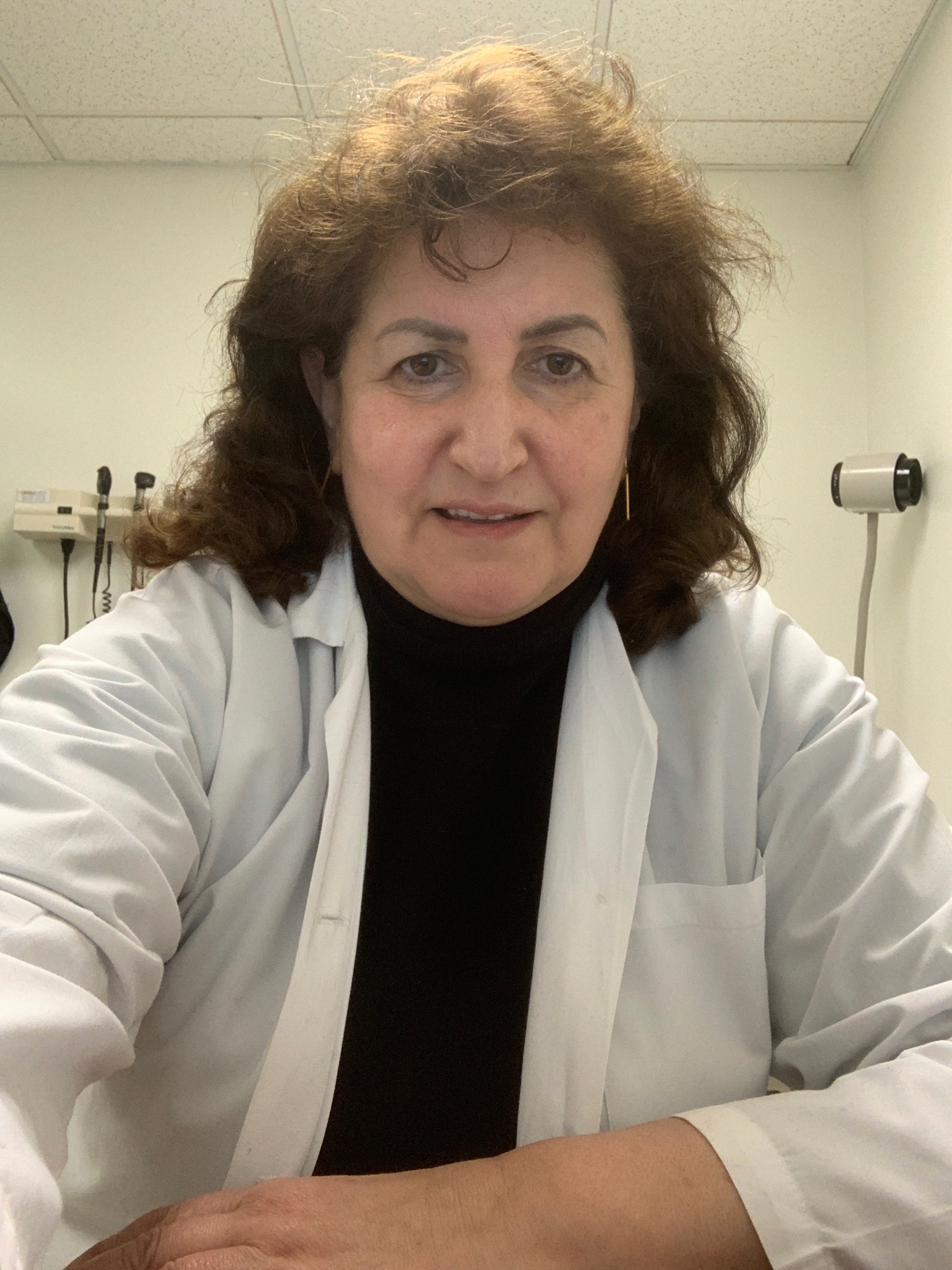

Dr. Bernice Ponce de Leon
DO, Board-Certified Child & Adolescent Psychiatrist | Licensed in CA, NV
View profileWhen Should You Seek Help?
Early intervention is critical. You should consult a healthcare provider if:
Reach out if you or a loved one experience:
- You experience frequent or severe panic attacks
- Fear of panic attacks causes you to avoid certain places, situations, or activities
- The anxiety significantly impacts your job, schooling, or relationships
- You experience accompanying psychiatric symptoms like depression or substance abuse
Ready to take the next step?
Our team is here to help — no pressure, no judgment.
Frequently Asked Questions
Panic disorder is an anxiety disorder characterized by sudden, recurring episodes of intense fear or panic. These panic attacks often come without warning and can cause physical symptoms such as sweating, trembling, racing heartbeat, and shortness of breath.
Cognitive behavioral therapy (CBT) is especially effective for treating panic disorder, often combined with medication when necessary. This approach teaches different ways of thinking and reacting to reduce anxiety and fear.
Practice breathing exercises, avoid triggers when possible, maintain regular exercise, get adequate sleep, limit caffeine, and work with a mental health professional for comprehensive treatment.
While panic disorder is a chronic condition, many people improve with CBT, skills-based support, and medication when appropriate. With proper care, individuals can learn to manage their symptoms effectively.